The startup B4A released Agro Biome Brazil, the biggest project for genetically mapping the Brasilian soil, that will evaluate around 5 million acres of farmable land in the country, with an investment of R$ 29 million, over three years of execution. The goal of this research is to bring more information on agricultural efficiency by using soil genetics information on the strategy of agricultural inputs administration.
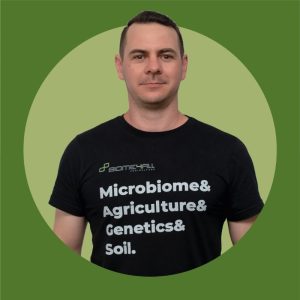
Agro Biome Brazil is partnering with 110 consulting companies that will together promote the analysis of 55 different cultures, chosen by relevance in each different biome and region, based on cultivation area, production costs, or strategic importance in its market. “This is an unprecedented and exclusive study that will bring practical answers regarding efficiency gainings, productivity, and soil diversity over the distinct scenarios evaluated in the project”, explains Marcus Adonai Castro da Silva, microbiologist e co-founder of B4A.
Expected results: knowledge of production costs comparing to previous harvests; comparison with previous cycles management strategies; measure earnings and productivity increase versus older harvests; comprehension over changes in the soil biodiversity and measuring the genetic potential of the soil to fix carbon and nitrogen.
The partner consulting companies will be responsible for defining the contrasts over the agricultural production, identifying areas that will be analyzed, and also defining the soil management strategies.
As B4A will provide the genetic sequencing and bioinformatics, supplying its platform FULLBIO with a wide range of information over the biodiversity present in the soil, plants health and nutrition, pathogenic organisms, that will support its partners in more reliable decision making.
The criteria for choosing the analyzed points involve situations with antagonistic cases to be compared with over 50 contrast points such as: high productivity x low productivity; soil treated with biological inputs x chemical inputs; high production costs x low production points, among others.
Leonardo Gomes, B4A‘s CEO and co-founder explains that the project also aims to evaluate areas in South America, United States, and Europe, analyzing an area of 10,3 million acres within the three phases of the project. “We are building a wide collection of genetic information over the main farmable lands, that will allow us to identify patterns and establish correlations with treatments for soil recovery strategies, efficiency, and productivity gains for the agribusiness, through sustainable practices”.
Flávia Romanelli – press officer